Stop Sliding the Cue Ball: Three Drills That Fix Your Stroke in a Week
If your cue ball keeps dying on the spot, the problem probably isn't your aim — it's your delivery.
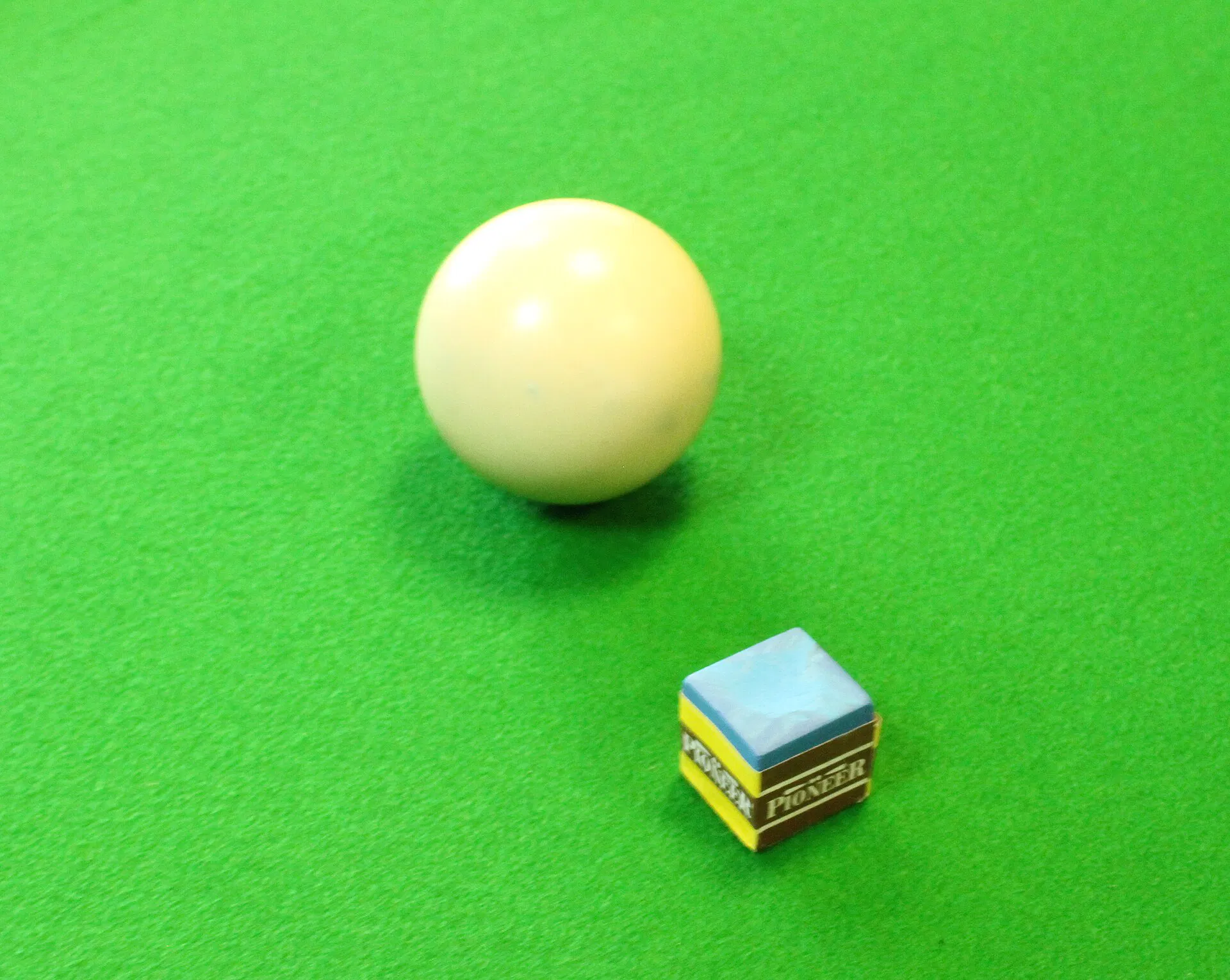
Every amateur has lived the frustration: the object ball drops, and the cue ball sits exactly where it struck — a draw shot that never drew. The fix is rarely a new cue. It is almost always the same three flaws.
Drill One: The Chalk Line
Snap a line of chalk across the cloth and stroke the cue ball along it, slow and centre. If the ball wobbles off the line, your cue is not travelling straight — fix the grip before anything else.
Drill Two: The Penny Stop
Place a coin three feet away and try to stop the cue ball dead on it. You will fail for a day, then something clicks: speed, not spin, is what the cue ball actually reads.
Drill Three: Draw the Length
Only when the first two drills are honest should you attempt the table-length draw. Short follow-through, low contact, and a grip loose enough to let the cue do the work.
How long until the draw shot feels natural?
Most players report a reliable stop shot inside a week of daily fifteen-minute sessions; the full draw takes two to four.
Do I need a low-deflection shaft for these drills?
No. Centre-ball drills depend on delivery, not equipment.
Why does my cue ball hop off the table?
You are striking too low or too steep. Raise the bridge a fraction and level the cue.